
Alpha John is reader-supported. When you buy through links on our site, we may earn an affiliate commission.
Have you ever wondered what’s actually inside male enhancement supplements—and which ingredients have real evidence behind them? Below you’ll find a clear, no-hype guide to the 14 ingredients you’ll see most often. For each one, we cover how it’s supposed to work, what human data exists (with PubMed PMIDs where applicable), typical dosage ranges used in research or traditional practice, and the key safety flags. Nothing here is medical advice. Always speak with your clinician—especially if you have cardiovascular disease or take prescription medications.
Quick Evidence Map
- Human evidence (moderate) for sexual function: L-Arginine (mild–moderate ED support via nitric oxide) (PMID: 16678511), Panax ginseng (erectile function/libido) (PMID: 17004914), Maca for sexual desire (PMID: 12472620), Tongkat Ali for stress/testosterone/libido (PMID: 21671978). Hawthorn has cardiovascular benefits that can indirectly support performance (PMID: 18425912).
- Mixed/insufficient human data: Tribulus, Epimedium (icariin mainly preclinical), Muira puama, Damiana, Gotu Kola, Fo-Ti, Catuaba, Cayenne.
- Higher risk profile: Yohimbe/yohimbine (stimulant effects; BP/arrhythmia/seizure reports)—use only with medical supervision, if at all.
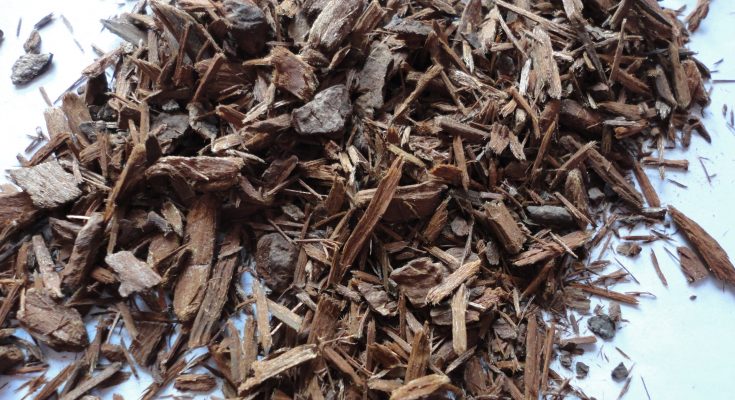
1) Yohimbe
What it is: Bark from Pausinystalia johimbe (West/Central Africa). The active alkaloid is yohimbine.

Mechanism: Presynaptic α2-blockade → increased norepinephrine → vasodilation and increased genital blood flow.
Evidence: Prescription yohimbine HCl showed benefit for mild ED in older studies, but tolerability is an issue; many modern guidelines are cautious. Supplement “yohimbe” products rarely standardize yohimbine content → unpredictable effects.
Typical dosing (research): 5–10 mg yohimbine HCl, 3x daily (RX context—not a dosing guide for herbs).
Safety flags: BP changes, tachycardia, anxiety, insomnia, GI upset; serious events including kidney/cardiac issues reported. Avoid with CVD, psychiatric disorders, or interacting meds.
Bottom line: Possibly effective but comparatively high risk and hard to dose as an herb. Prefer safer first-line options.
2) Tribulus terrestris
What it is: Traditional TCM/Ayurvedic herb (“puncture vine”).
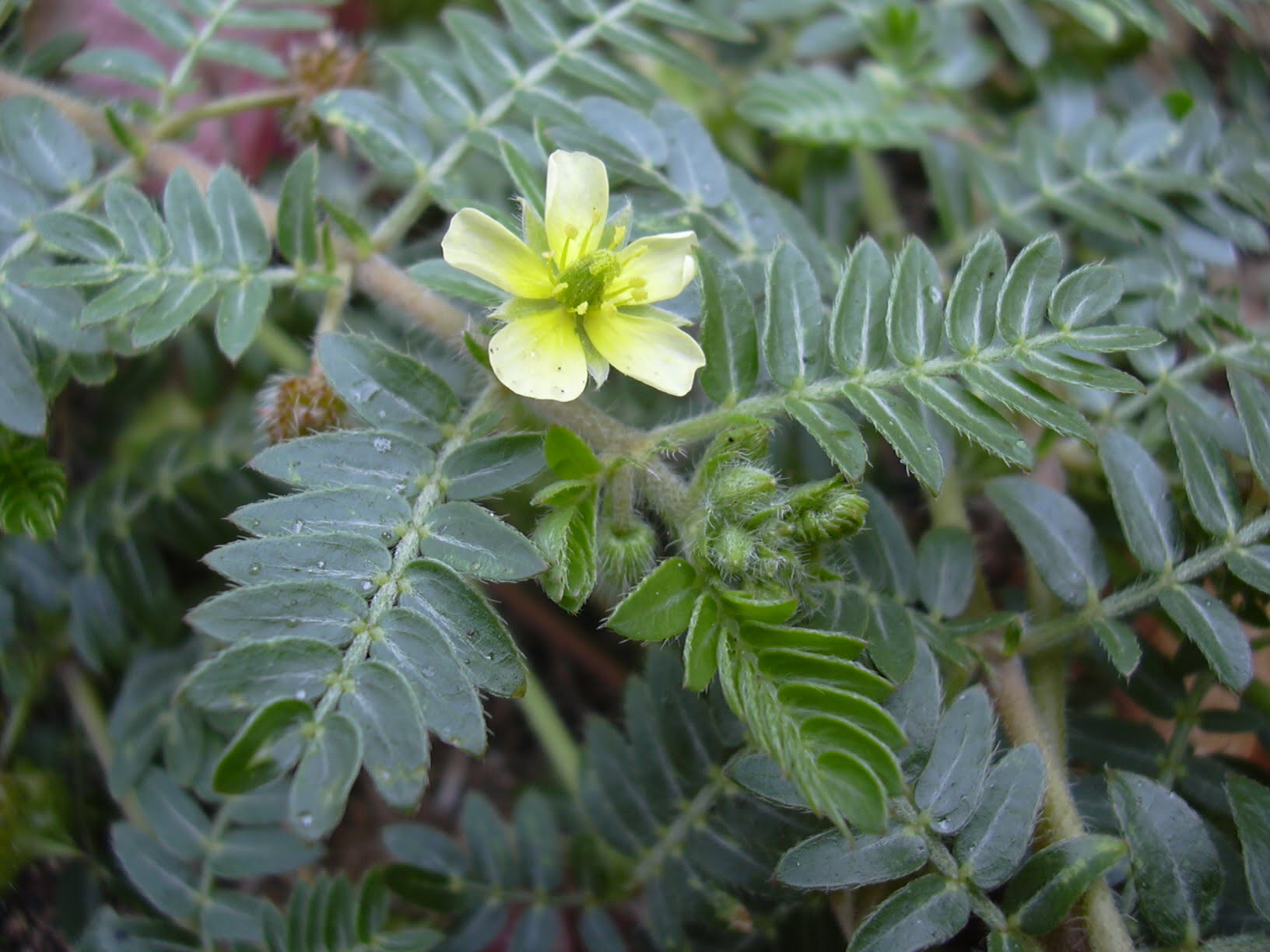
Mechanism: Steroidal saponins (e.g., protodioscin) are proposed to support androgen pathways and libido.
Evidence: Human data are mixed; some libido support is reported, but robust testosterone/ED effects aren’t consistently replicated.
Typical dosing: 250–750 mg/day standardized extract (varies by product/standardization).
Safety: Generally tolerated; occasional GI upset; theoretical prostate or glycemic effects at high doses—consult your clinician if you have prostate or metabolic conditions.
Bottom line: Mixed evidence. Consider as a libido adjunct, not a primary ED fix.
3) Tongkat Ali (Eurycoma longifolia)
What it is: Southeast-Asian root, widely used for vitality and libido.

Mechanism: May affect stress hormones, free testosterone, and sexual desire; also used for energy.
Evidence: Pilot studies show improved stress parameters/libido and possible testosterone support in some populations (PMID: 21671978).
Typical dosing: 100–400 mg/day standardized root extract (e.g., 1–2% eurycomanone). Quality matters.
Safety: Usually well tolerated; avoid if you have hormone-sensitive conditions or are on androgen-modulating therapy; occasional insomnia or irritability.
Bottom line: Promising human data for libido/stress with reasonable tolerability when using standardized extracts.
4) Saw Palmetto (Serenoa repens)
What it is: Berry extract used for prostate/urinary symptoms.
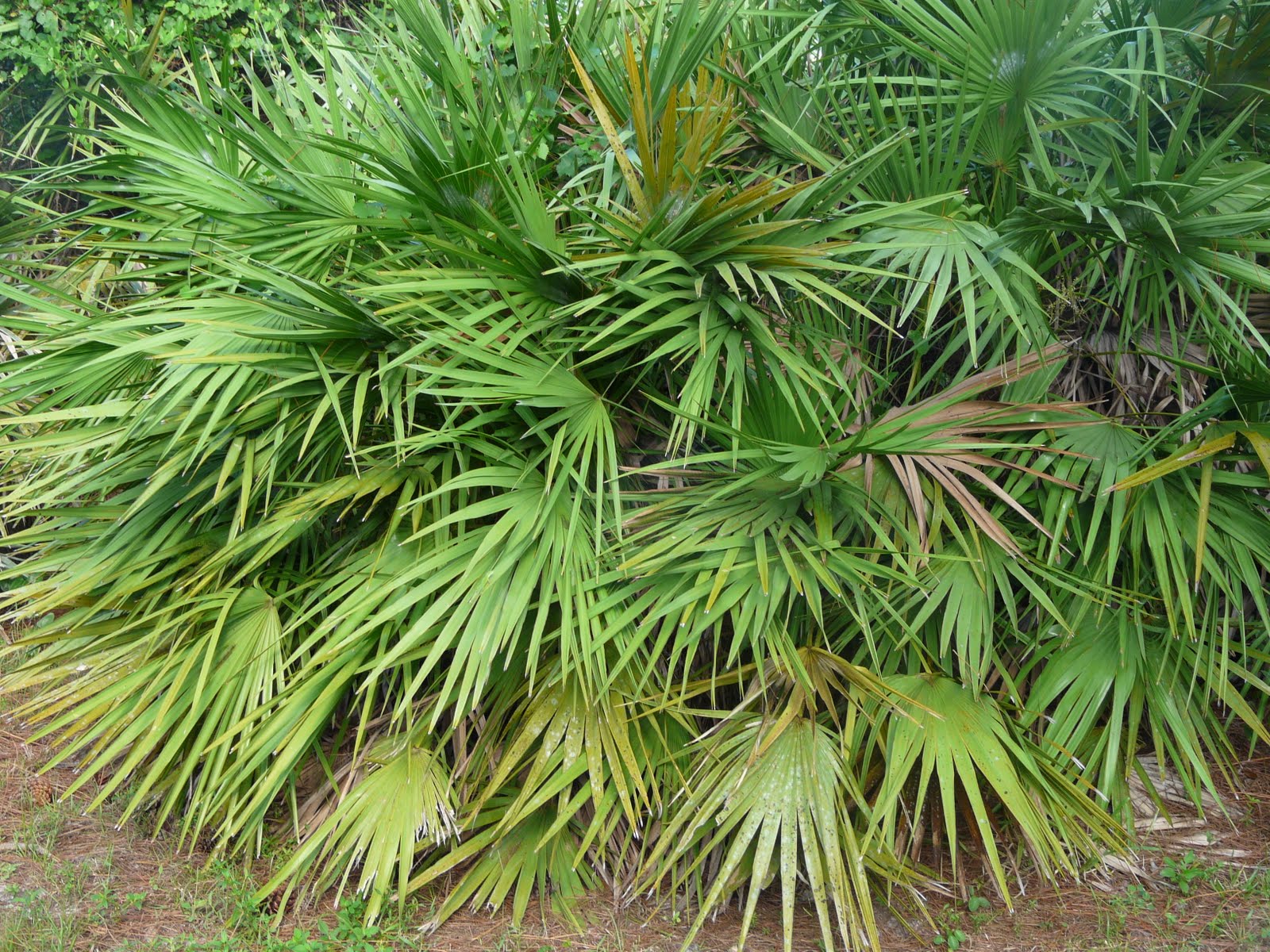
Mechanism: Liposterolic extract may modulate 5-alpha-reductase/inflammation; can indirectly help sexual function when urinary symptoms disturb sleep/comfort.
Evidence: Mixed for BPH symptom relief; not an ED treatment per se.
Typical dosing: 160 mg, 2x/day of standardized extract (or 320 mg once daily).
Safety: GI upset, rare liver signals; interacts with anticoagulants/hormonal meds—check with your doctor.
Bottom line: Consider for urinary/prostate comfort, not as a direct ED enhancer.
5) Muira puama
What it is: Brazilian rainforest herb nicknamed “potency wood.”
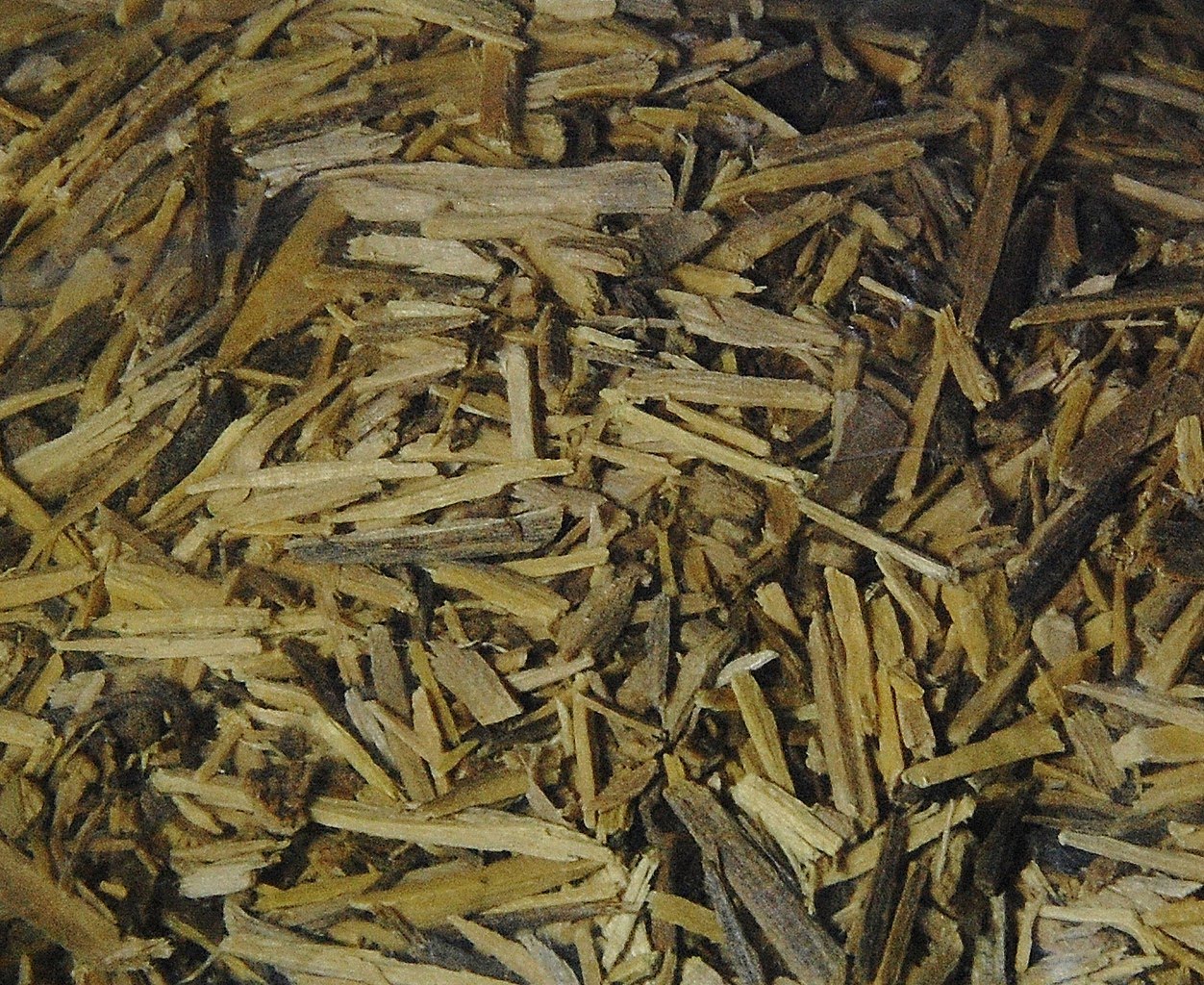
Mechanism: Traditional aphrodisiac; may support arousal and perceived sexual satisfaction.
Evidence: Small human studies and historical use; not robustly proven.
Typical dosing: 200–500 mg/day extract (or tincture as traditionally used).
Safety: Generally mild (possible restlessness/insomnia in sensitive users).
Bottom line: Adjunct at best; consider only as part of a broader formula.
6) Maca (Lepidium meyenii)
What it is: Andean root used for energy, mood, and sexual desire.
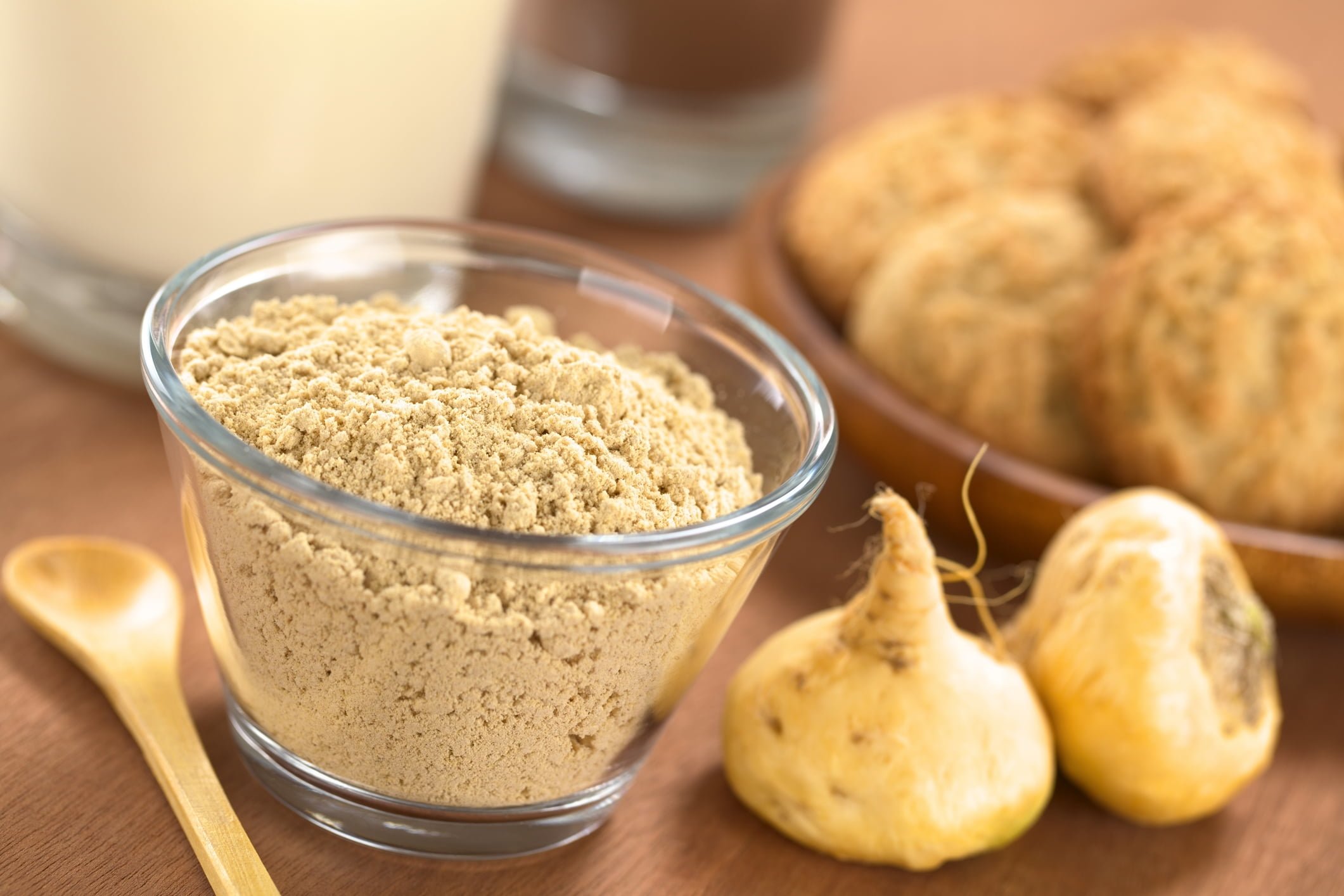
Mechanism: Nutrient-dense; may influence mood/energy and libido.
Evidence: Human studies show increased sexual desire in some cohorts (PMID: 12472620).
Typical dosing: 1.5–3 g/day powdered root or 300–600 mg extract.
Safety: Well tolerated; avoid in uncontrolled thyroid disorders; occasional GI upset or sleep changes.
Bottom line: Good support for libido, less so for erection firmness by itself.
7) L-Arginine
What it is: Amino acid substrate for nitric oxide (NO) production.
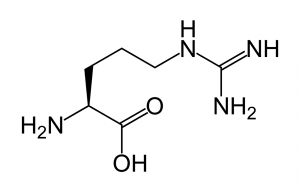
Mechanism: Converted to NO → smooth-muscle relaxation → improved penile blood inflow.
Evidence: Multiple trials show mild–moderate benefit for ED, especially when combined with antioxidants like Pycnogenol (PMID: 16678511).
Typical dosing: 2–6 g/day (often split), or lower when combined with synergists.
Safety: Can lower BP; avoid with nitrates or significant hypotension; may aggravate active herpes. GI discomfort possible.
Bottom line: Best-supported NO booster for mild ED; often more effective in combos.
8) Horny Goat Weed (Epimedium)
What it is: Traditional Chinese herb (yin yang huo); contains the flavonoid icariin.

Mechanism: Icariin is a PDE5-inhibitor in preclinical models and may increase NO; potential pro-libido effects.
Evidence: Mostly animal/in vitro; human standardization is inconsistent.
Typical dosing: 250–1000 mg/day extract (look for icariin % on label—rarely disclosed).
Safety: High doses may cause dizziness, nausea, nosebleeds; theoretical BP/anticoagulant interactions.
Bottom line: Interesting mechanism, but human data are limited. Works better in multi-ingredient blends.
9) Hawthorn berry
What it is: Cardiovascular tonic used traditionally in Europe.
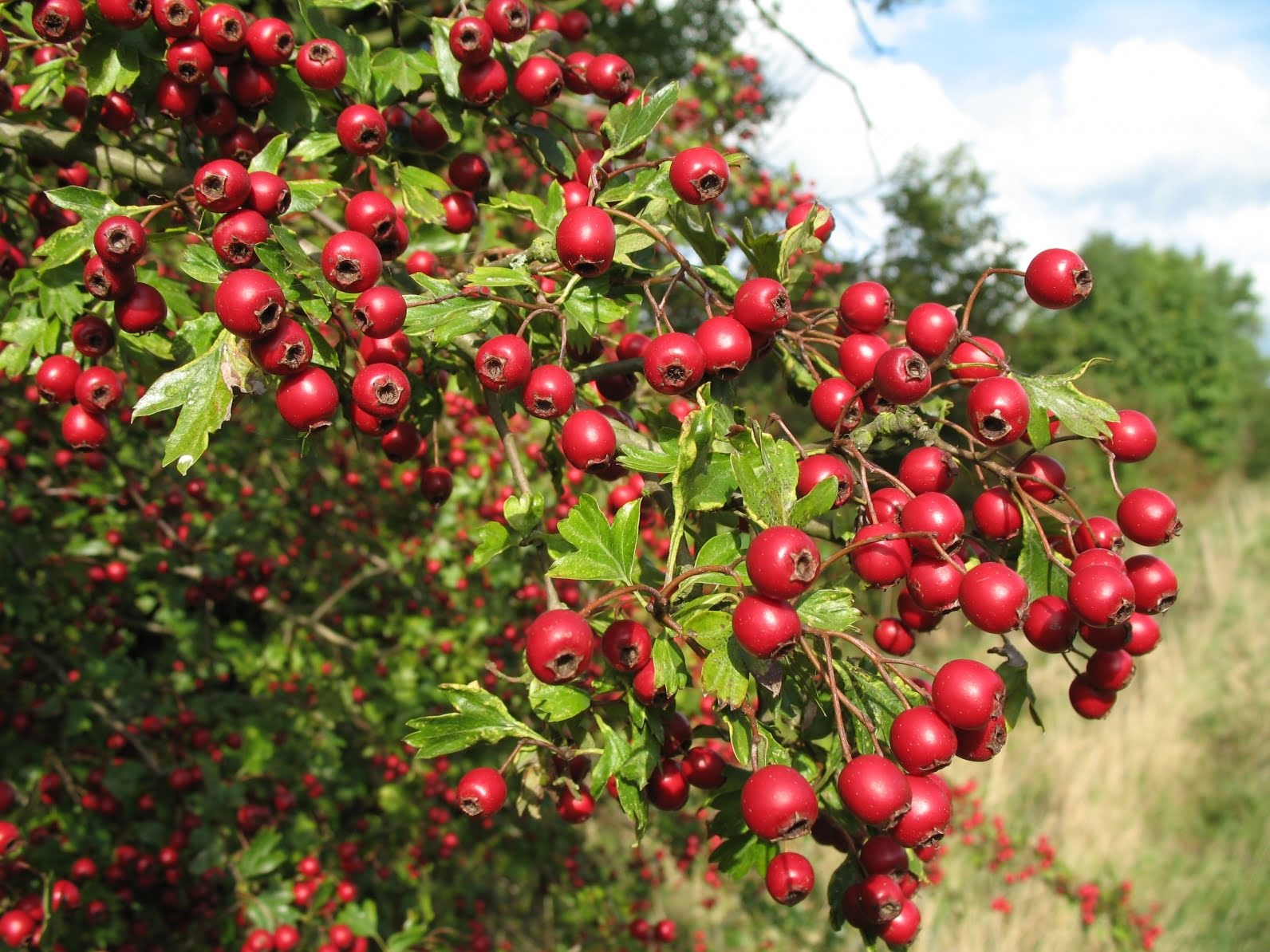
Mechanism: May improve endothelial function, myocardial efficiency, and peripheral circulation—indirectly supporting sexual performance.
Evidence: Meta-analyses suggest benefit for chronic heart failure symptoms (PMID: 18425912).
Typical dosing: 160–900 mg/day standardized extract (e.g., 2–3% flavonoids), depending on product.
Safety: Generally safe; potential interactions with cardiac glycosides and nitrates.
Bottom line: Supportive for circulation; not an ED “trigger,” but can complement NO strategies.
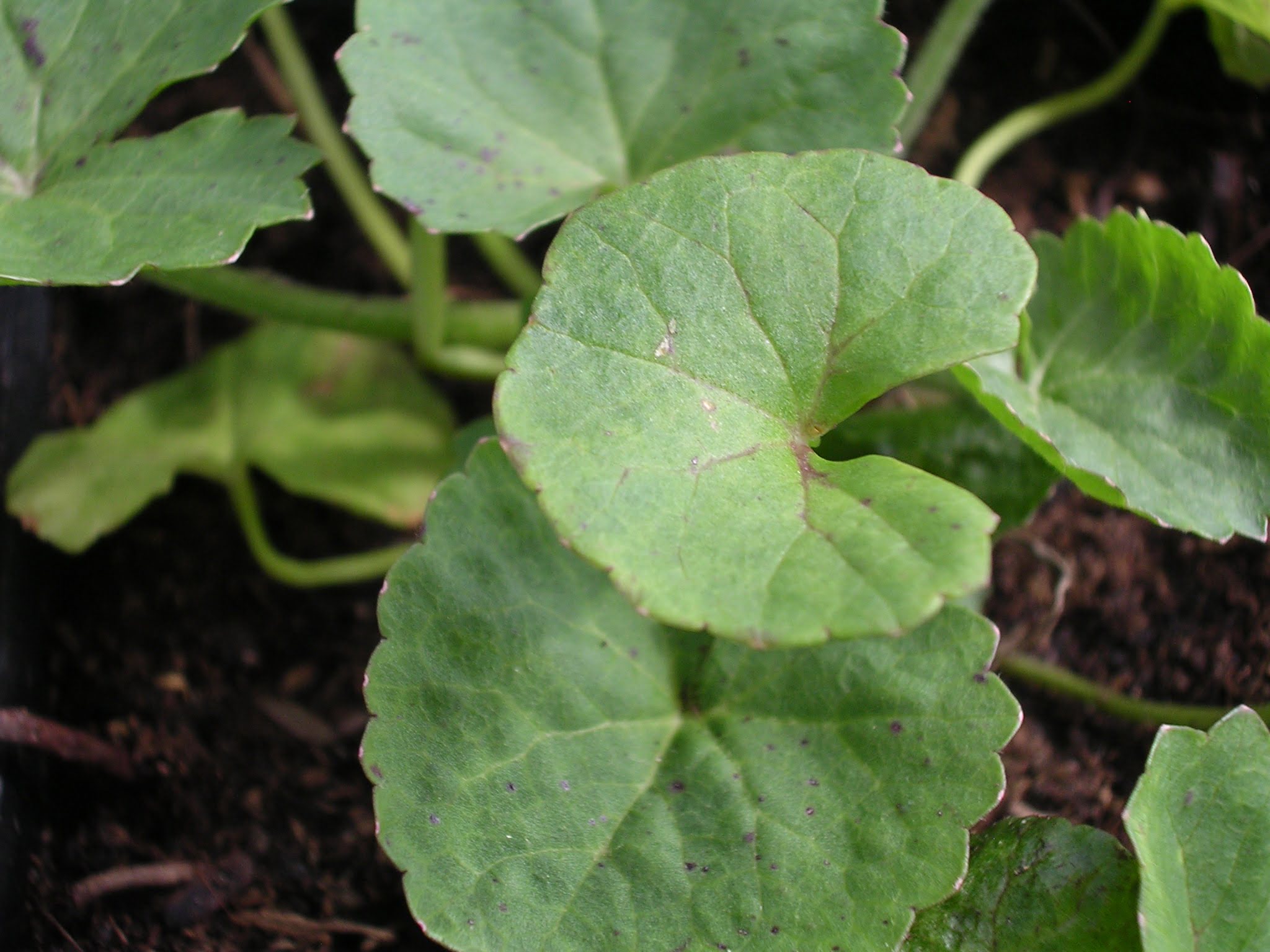
10) Gotu Kola (Centella asiatica)
What it is: Ayurvedic/TCM herb used for skin, veins, and cognition.
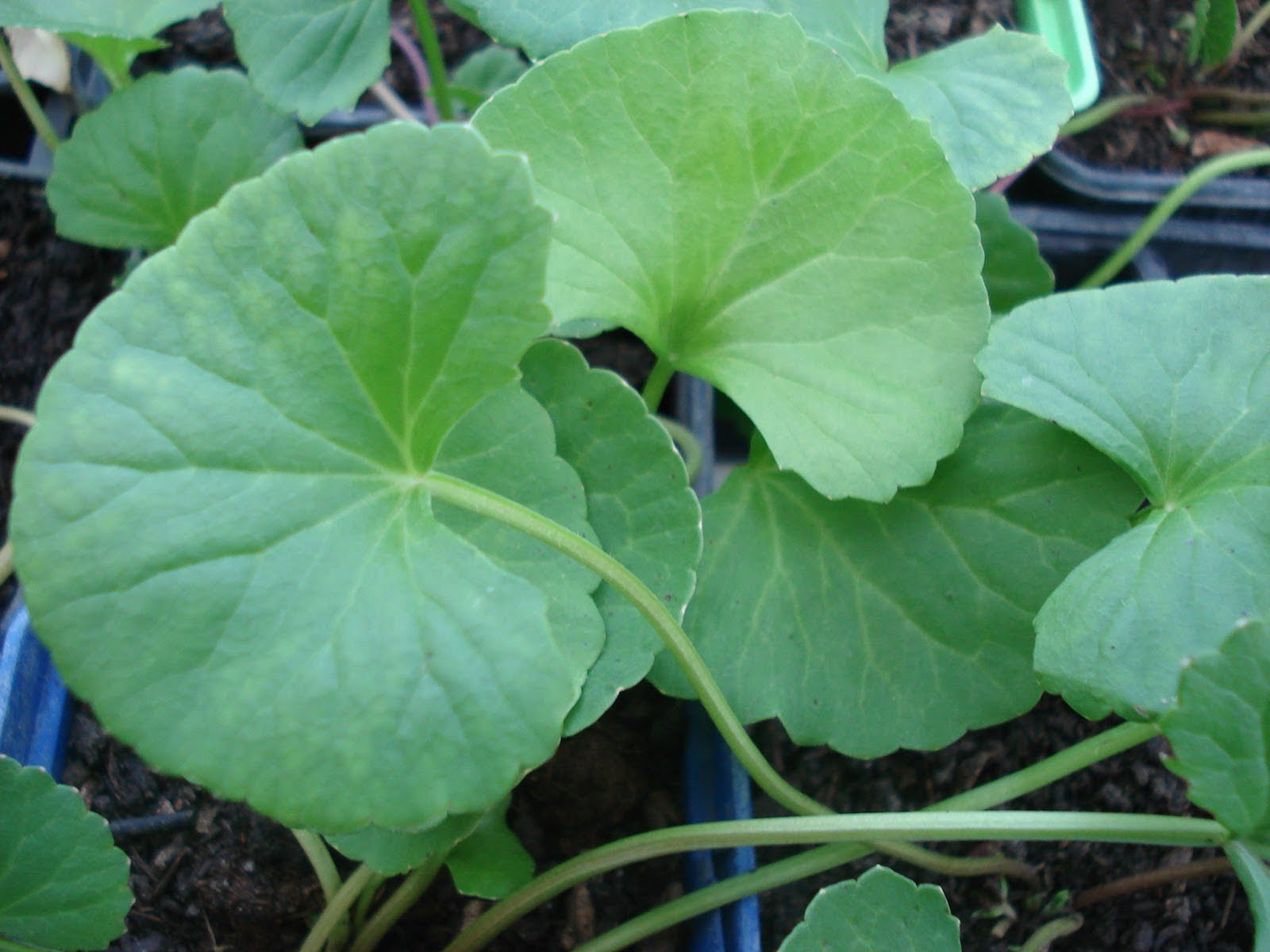
Mechanism: Triterpenoids may support connective tissue, venous tone, microcirculation, and stress resilience—factors that can affect sexual performance in indirect ways.
Evidence: Small trials for venous insufficiency/skin healing; limited sexual-function data.
Typical dosing: 60–180 mg/day standardized extract (e.g., asiaticoside/asiatic acid madecassoside content).
Safety: Rare hepatotoxicity signals; GI upset or skin reactions possible; check meds for interactions.
Bottom line: Supportive herb—more general wellness than direct ED effects.
11) Fo-Ti (Polygonum multiflorum / He shou wu)
What it is: Traditional Chinese vitality herb (processed “red” root form is typically used).
Mechanism: Claimed to support circulation, vitality, and fertility; modern evidence is sparse.
Evidence: Mostly traditional reports; quality control is variable.
Typical dosing: 250–1000 mg/day processed root extract.
Safety: Important: Fo-Ti has been linked to idiosyncratic liver injury in case reports. Avoid if you have liver disease; discontinue with any signs of jaundice, dark urine, or severe fatigue.
Bottom line: Low evidence, non-trivial hepatotoxicity risk. Most men should skip it.
12) Damiana (Turnera diffusa)
What it is: Traditional aphrodisiac from Mexico/Central America.
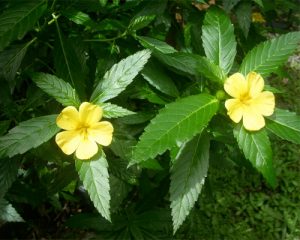
Mechanism: Mild central/vascular effects; anecdotal libido support.
Evidence: Limited human data; some animal studies suggest pro-sexual effects.
Typical dosing: 200–600 mg/day of extract; or tea/tincture in traditional use.
Safety: Generally safe at typical doses; high intakes linked to nausea, dizziness; avoid in pregnancy and with blood sugar meds without medical advice.
Bottom line: Adjunct only—best inside a broader, evidence-based formula.
13) Cayenne pepper (Capsicum)
What it is: Capsaicin-rich spice with circulatory and metabolic effects.
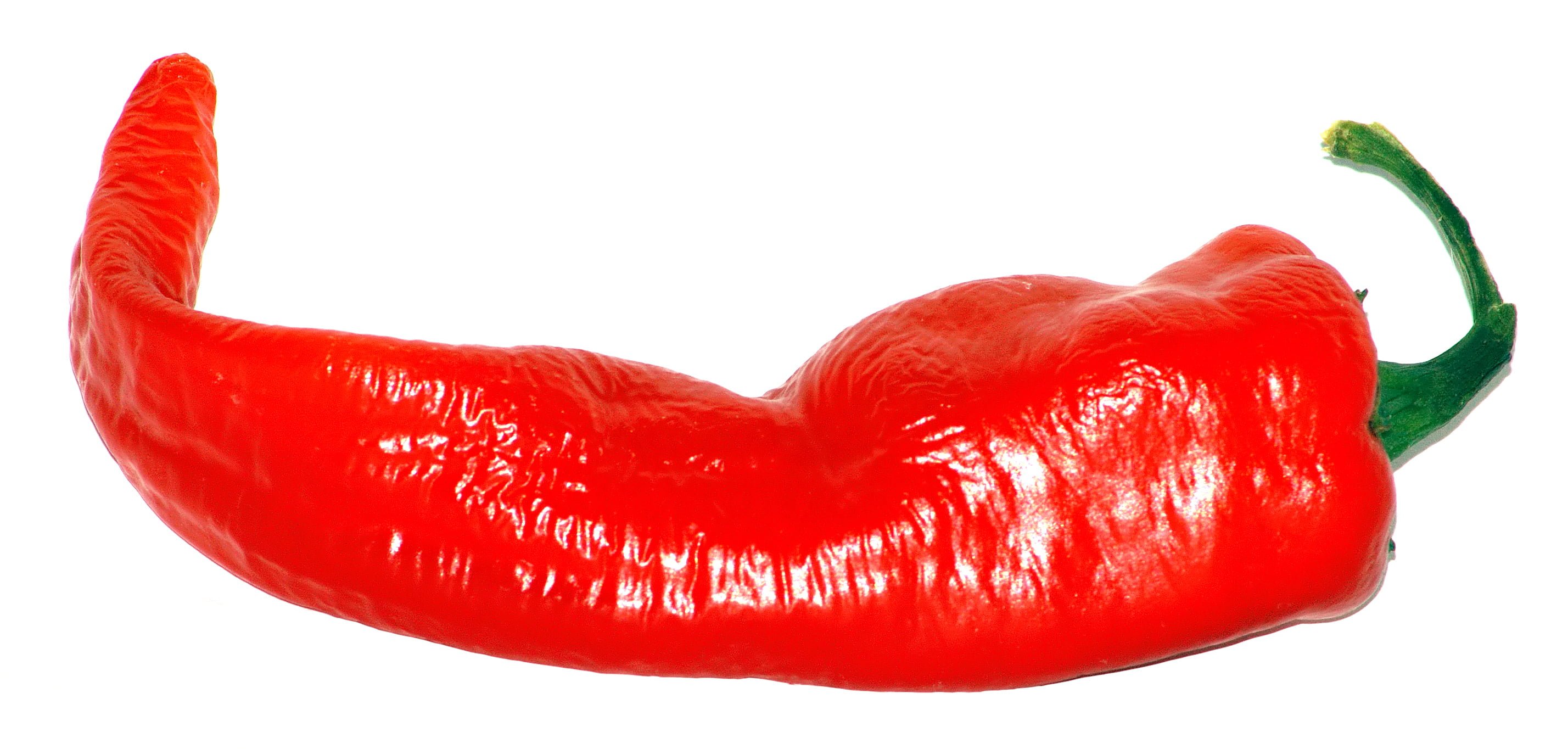
Mechanism: May support peripheral circulation and endothelial function; not a stand-alone ED solution.
Evidence: General cardiometabolic literature; little direct sexual-function research.
Typical dosing: Culinary use or 30–120 mg capsaicin-standardized capsules (watch GI tolerance).
Safety: GI irritation, heartburn; handle capsicum carefully (skin/eye irritation).
Bottom line: Circulation-friendly spice; consider as part of diet or mild add-on.
14) Catuaba bark
What it is: Brazilian bark remedy often paired with muira puama.

Mechanism: Traditionally reported to enhance libido and dream frequency; modern mechanism data are sparse.
Evidence: Minimal human research; mostly ethnobotanical/animal literature.
Typical dosing: 250–750 mg/day extract or traditional tea/tincture.
Safety: Generally tolerated; may interact with psychoactive herbs/meds; avoid with alcohol if you’re sensitive.
Bottom line: Low-evidence libido aid. Treat as optional, not foundational.
How to Read a Male-Enhancement Label (and Actually Pick a Good One)
- Prefer transparent labels over “proprietary blends.” If you can’t see the exact milligrams of L-arginine, ginseng, etc., you can’t judge clinical relevance.
- Look for standardized extracts. (e.g., Panax ginseng with ginsenosides, Tongkat Ali with eurycomanone %, Epimedium with icariin %).
- Match doses to human data. L-arginine often needs grams/day unless paired with synergists (e.g., Pycnogenol).
- Be stimulant-smart. Yohimbe can “feel” strong but carries meaningful risk. If you have BP, heart, or anxiety issues, avoid it and speak with your doctor.
- Combine pillars: For mild ED, a combo like L-arginine (+/- citrulline), Panax ginseng, and Maca has better real-world traction than any single herb.
- Lifestyle still wins: Sleep, resistance training, cardio, weight management, and limiting alcohol/smoking directly improve erectile quality.
Safety First
Stop and speak with your clinician if you take nitrates, PDE-5 meds, blood thinners, antidepressants, or have cardiovascular, hepatic, renal, endocrine, or psychiatric conditions. Discontinue any supplement with signs of allergic reaction, chest pain, severe headache, palpitations, jaundice, dark urine, or persistent GI distress.
FAQs
Do any pills permanently enlarge the penis?
No. Pills can improve erection quality (firmer, fuller) by improving blood flow or libido, but permanent size increases require mechanical traction or surgery. Be cautious of “permanent growth” claims.
How long until I notice effects?
Blood-flow support (e.g., L-arginine/ginseng) may be noticeable in 2–4 weeks; libido aids (e.g., Maca/Tongkat) sometimes sooner. Consistency matters; reassess after 6–8 weeks.
Can I stack ingredients?
Yes—many formulas do. A common stack for mild ED/libido: L-arginine or L-citrulline + Panax ginseng + Maca, optionally Tongkat Ali (if appropriate). Avoid overlapping stimulants and always check interactions.
Is Yohimbe worth it?
It can work, but risks are significant. Most men do better with safer, well-dosed NO boosters and adaptogens first.
Key Research Citations (Human-Focused)
- L-Arginine and erectile function: PMID 16678511
- Panax ginseng for ED/libido: PMID 17004914
- Maca and sexual desire: PMID 12472620
- Tongkat Ali for stress/testosterone/libido: PMID 21671978
- Hawthorn (cardiovascular symptom support): PMID 18425912
Products People Also Ask About
| Product | Price | Review | Visit |
|---|---|---|---|
Fleshlight | $60 | Review | Visit » |
Male Extra | $79.95 | Review | Visit » |
VigRx Plus | $76.99 | Review | Visit » |
Crazy Bulk | $59.99 | Review | Visit » |