
Alpha John is reader-supported. When you buy through links on our site, we may earn an affiliate commission.
Medical disclaimer: This article is for educational purposes only and is not medical advice. Testosterone is a hormone with real physiologic effects and real risks. If you suspect low testosterone (hypogonadism), or if you’re considering prescription testosterone therapy, speak with a licensed clinician and get appropriate lab testing. Do not self-diagnose or self-treat. If you have chest pain, shortness of breath, sudden weakness/numbness, severe headache, or vision changes, seek emergency care.
Testosterone Boosters: What They Are, What They Can (and Can’t) Do, and How to Stay Safe
“Testosterone boosters” is an umbrella term used for a wide range of products. Some are over-the-counter dietary supplements that contain vitamins, minerals, and plant extracts marketed to “support” testosterone. Others are prescription testosterone therapies (gels, injections, patches, etc.) that deliver testosterone directly and are intended for specific medical conditions.
These categories are not interchangeable. Over-the-counter supplements cannot legally contain testosterone as an active hormone in most markets, and reputable manufacturers should not present them as equivalent to prescription hormone therapy. Meanwhile, prescription testosterone is a medication with clear indications, a defined monitoring pathway, and meaningful risks when used outside appropriate medical oversight.
Key point: If your testosterone is normal for your age, most “boosters” are unlikely to create dramatic changes. If your testosterone is clinically low due to a diagnosable condition, the appropriate path is medical evaluation—not a stack of random supplements.
1) About Testosterone “Boosters” (and Why the Term is Confusing)
1.1 Over-the-counter supplements vs. prescription testosterone
Over-the-counter (OTC) supplements usually contain combinations of:
- Minerals (commonly zinc, magnesium, boron)
- Vitamins (commonly vitamin D, B vitamins)
- Herbal extracts (fenugreek, tongkat ali/longjack, ashwagandha, tribulus, maca)
- “Support” ingredients (piperine/bioperine, antioxidants)
These products typically claim to support “free testosterone,” “male vitality,” “libido,” “energy,” or “performance.” The evidence varies widely and is often ingredient-dependent, dose-dependent, and heavily influenced by your baseline status (e.g., whether you’re deficient in vitamin D or zinc).
Prescription testosterone therapy (TRT) is different. It is intended for men with confirmed low testosterone (usually confirmed by repeat morning blood tests plus symptoms and clinical context). TRT is not a general “anti-aging” supplement and is not risk-free.
1.2 When testosterone therapy has evidence of benefit
Clinically, testosterone therapy is primarily used when a patient has:
- Hypogonadism (the body doesn’t produce sufficient testosterone due to testicular or pituitary/hypothalamic causes)
- Documented low testosterone alongside compatible symptoms and a clinician’s diagnosis
Outside these indications, the risk/benefit trade-off becomes less clear—and medical guidance matters.
Testosterone gradually declines with age in many men, but “lower than at 25” is not automatically “pathologically low.” For men with normal age-appropriate levels, studies often show limited or inconsistent improvements in outcomes like libido, mood, or strength when testosterone is increased beyond normal physiologic ranges.
In practical terms, if you are a healthy adult with no diagnosable hypogonadism, most OTC products will not deliver Hollywood-style transformations. What they may do—depending on the formula— is help correct a deficiency (e.g., vitamin D), improve sleep quality, or enhance training consistency through indirect effects. Those indirect effects can matter, but they are not the same thing as “turning on” testosterone production in a dramatic way.
1.4 Risks and safety concerns (the part most marketing skips)
Safety risk depends on what we’re talking about:
- Prescription testosterone can have significant side effects and requires clinician oversight and monitoring (bloodwork, symptom tracking, and contraindication screening).
- OTC supplements carry different risks: contamination, inconsistent dosing, interactions with medications, and side effects from stimulants or hormone-modulating botanicals.
Potential risks often discussed in the context of testosterone therapy or hormone modulation include (not an exhaustive list):
- Worsening sleep apnea
- Acne/oily skin
- Gynecomastia (breast tissue changes)
- Changes in fertility parameters (important: TRT can suppress sperm production)
- Prostate-related concerns (requires medical screening/monitoring)
- Cardiovascular risk considerations (still debated; individualized assessment is essential)
Safety reality check: “Natural” does not automatically mean safe. Botanical extracts can have pharmacologic effects, can interact with medications, and can cause side effects—especially at higher doses or when combined with multiple products.
1.5 “If you’re normal and healthy, not much happens” — but what CAN happen?
For many healthy men with normal testosterone, typical outcomes from OTC “boosters” range from:
- No noticeable change
- Mild changes in energy or libido (sometimes placebo, sometimes real, often hard to attribute)
- GI discomfort, headaches, irritability, sleep disruption (especially with stimulating ingredients)
In other words: the most common “result” is not a massive hormone shift—it’s either minimal change or side effects.
1.6 Building muscle: testosterone is one piece, not the whole system
Muscle gain depends on a package of inputs:
- Progressive resistance training (volume + intensity + consistency)
- Protein adequacy and overall calorie strategy
- Sleep and recovery
- Stress management (chronically high stress can impair training outcomes)
- Hormonal environment (including testosterone), which is influenced by the above factors
Even if a product modestly affects testosterone, it won’t override poor programming, inadequate protein, inconsistent sleep, or chronic stress.
1.7 Low testosterone: symptoms overlap with many other conditions
Fatigue, low mood, reduced sex drive, increased body fat, and reduced motivation can stem from many causes besides low testosterone, including poor sleep, depression, overtraining, hypothyroidism, medication side effects, chronic disease, or nutritional deficiencies.
This is why testing matters. If you are concerned about low testosterone, the responsible step is to discuss symptoms with a clinician and obtain proper labs. Treating “symptoms” with a random supplement stack can delay identifying a more serious root cause.
1.8 What is testosterone (quick overview)
Testosterone is a sex hormone produced primarily in the testes. It supports sexual function, sperm production, muscle protein synthesis, bone density, red blood cell production, mood, and aspects of energy and motivation. Testosterone exists in the bloodstream in different forms (including bound and free fractions), and clinical interpretation depends on context, lab timing (often morning draws), and symptoms.
1.9 Common drivers of lower testosterone
Testosterone can be influenced by:
- Age (gradual decline in many men)
- High body fat / metabolic syndrome
- Chronic sleep restriction or sleep apnea
- Chronic stress
- Medication effects (context-specific)
- Chronic illness
1.10 Medical conditions that can be associated with low testosterone
Low testosterone can be linked to or influenced by various medical conditions. Examples often discussed in medical education include metabolic disease, pituitary disorders, chronic kidney disease, chronic liver disease, and more. This is not a self-diagnosis checklist—if you suspect a problem, use it as a reason to get evaluated, not to self-treat.
1.11 Effects often associated with clinically low testosterone
When testosterone is clinically low, some men report:
- Lower libido and erectile difficulties
- Reduced energy, reduced motivation
- Reduced muscle mass and strength over time
- Higher body fat
- Mood changes
- Reduced bone density risk (long-term)
Again, these symptoms are not unique to low testosterone, which is why labs and clinical context matter.
2) The Safer Way to Evaluate Testosterone Boosters (Before You Buy Anything)
2.1 Step 1: Get clarity on your goal
Most people buy testosterone boosters for one of these reasons:
- Body composition (gain muscle, reduce fat)
- Libido/sexual function
- Energy and mood
- “Anti-aging”
These goals have different best practices. For example, libido may be more sensitive to stress, sleep, relationship factors, medications, and mental health than to small hormone shifts. Body composition is strongly driven by training, protein, and recovery.
2.2 Step 2: Know the red flags (high risk products)
Be cautious if a product:
- Claims “steroid-like gains” or “testosterone replacement without a prescription”
- Promises dramatic results in days
- Uses a “proprietary blend” while implying clinically meaningful dosing
- Stacks many hormone-active botanicals plus stimulants
- Has unclear manufacturer identity or no third-party testing
2.3 Step 3: Check dose transparency and testing
Better products are transparent about:
- Exact ingredient doses (not only “proprietary blend”)
- Standardization (e.g., % active compounds) for botanicals
- Third-party testing for contaminants (heavy metals, adulterants)
- Manufacturing standards (GMP claims are common, but documentation matters)
2.4 Step 4: Screen for interactions and contraindications
If you take medications or have underlying conditions, you should be extra cautious. Some supplements can affect blood pressure, blood sugar, sleep, or liver metabolism. If you have any of the following, consider medical guidance before taking hormone-modulating supplements:
- Cardiovascular disease risk factors
- Prostate concerns
- Sleep apnea
- Kidney or liver disease
- History of hormone-sensitive cancers
- Fertility goals (TRT can impact sperm production; supplements may also affect hormones indirectly)
Practical rule: If you’re unsure, don’t stack. Try one change at a time so you can actually identify what helps and what causes side effects.
3) What Actually Moves the Needle (Often More Than Supplements)
3.1 Sleep: the “unsexy” testosterone lever
Consistently short sleep is one of the most common real-world factors associated with low energy, reduced training output, and poorer hormone profiles. If you’re sleeping 5–6 hours per night, many supplements will be trying to “patch” a problem that sleep fixes more reliably.
3.2 Resistance training + recovery
Progressive overload matters, but so does recovery. Chronic overreaching without adequate calories and sleep can leave you feeling “low T” even when hormones are not the primary issue.
3.3 Body composition and metabolic health
Higher body fat and metabolic dysfunction are commonly associated with lower testosterone and worse energy. Sustainable fat loss, strength training, and better sleep often improve the overall picture more than any single supplement.
3.4 Alcohol and stress
High alcohol intake and chronic stress can impair sleep quality and recovery, and can worsen libido and mood. These are not moral issues—they’re levers. If your goal is performance and well-being, they matter.
4) “Top Testosterone Boosters” — A Safer Review Framework
The original version of this article lists many products and makes strong performance claims. To make this content safer and more useful, here’s how to interpret “top picks” without falling into marketing traps:
4.1 Separate three categories
- Category A: Deficiency correctors (e.g., vitamin D, zinc, magnesium) — more likely to help if you are deficient.
- Category B: Botanicals with mixed evidence (fenugreek, tongkat ali, ashwagandha, etc.) — may help some users, often modestly, and can cause side effects.
- Category C: Prescription testosterone (gels, injections, etc.) — potentially effective for diagnosed hypogonadism, requires medical oversight, not a casual “booster.”
4.2 What I look for in a “reasonable” OTC product
- Transparent dosing (no mystery blends)
- Conservative claims (no “replace TRT” language)
- Third-party testing (or at least credible manufacturing details)
- Low stimulant load (especially if sleep is already an issue)
- Clear warnings for contraindications and interactions
4.3 What I avoid
- Products that promise dramatic testosterone jumps
- Products that imply medical treatment outcomes
- Products with unclear ingredient amounts but aggressive marketing
- Stacks that combine multiple hormone-active botanicals plus stimulants
5) Summary Notes on the Listed Products (Interpreted Safely)
Important: The notes below are not endorsements or medical recommendations. They are a safer way to interpret common product positioning. Always verify the label, dosing, third-party testing, and current safety information before use.
5.1 Testofuel
Marketed toward training-focused users. The ingredient approach typically aims at “supporting” testosterone pathways (often via amino acids/minerals/botanicals). The safest way to evaluate it is: check transparent dosing, watch for GI side effects, and avoid stacking with similar products. If you feel “more energy,” confirm it isn’t just sleep disruption or stimulant effects.
5.2 Status Testosterone Booster
Often positioned as a “free testosterone” product plus aromatase-related language. Be cautious with strong percentage claims unless they are backed by high-quality, peer-reviewed evidence at the exact doses used. If a product relies on a proprietary blend, it becomes difficult to judge plausibility.
5.3 MRM Tribuplex 750
Typically built around tribulus variants. Evidence for tribulus improving testosterone in healthy men is mixed. If someone reports benefits, they may be due to libido perception, training placebo effects, or indirect changes. Assess tolerance first, especially GI response.
5.4 Nugenix
Common retail availability. Often emphasizes minerals + botanicals. Evaluate the “trial” structure carefully (auto-ship terms are a consumer risk). If you try it, treat it like a short experiment and track sleep, mood, training output, and side effects.
5.5 High-T Black
Some formulations include stimulant-like components. If you notice anxiety, irritability, or poor sleep, that’s a sign to stop. For many users, stimulant effects can feel like “testosterone” even when they’re not hormonal changes.
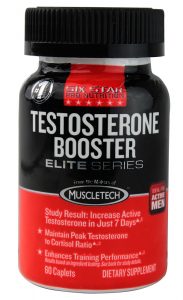
5.6 Six Star Testosterone Booster
Budget positioning, often with minerals such as boron. These can be useful if you’re deficient, but “more” is not always better. Avoid doubling doses. If you are already taking a multivitamin/mineral complex, check for overlap.
5.7 Athletic Edge Nutrition APE
Often marketed as a performance-focused stack. If cycling is recommended, that’s usually reopening the question of tolerance and side effects. Avoid combining with other stimulant or hormone-active products.
5.8 C9-T11 2.0
More of a body-composition/cortisol positioning. If it includes CLA or related compounds, interpret claims conservatively. “Fat loss” supplements often show variable results depending on diet adherence and training volume.
5.9 Spartagen XT
Typically a broad “men’s vitality” stack. Refund policies can be attractive, but don’t let that replace label scrutiny and safety. The more ingredients, the harder it is to identify what helps or harms.
5.10 Test Worx
Strong claims around SHBG/free testosterone should be treated as marketing until independently verified. If you trial it, monitor sleep, mood, resting heart rate, blood pressure (if relevant), and discontinue if adverse effects occur.
5.11 Superior Test X
Celebrity/actor marketing is not clinical evidence. If yohimbe (or similar) is included, be cautious—some users experience nausea, anxiety, increased heart rate, or blood pressure changes.
5.12 M Drive
Often includes ashwagandha variants and minerals. Some users find stress/sleep improvements, which can indirectly improve training and libido. If you’re sensitive to sedating effects or GI upset, start low and evaluate tolerance.
5.13 Hexatest Testosterone Amplifier
High capsule counts can be a red flag (compliance and dosing creep). If the dosing is aggressive, do not assume “more is better.” Watch for headaches, heart rate changes, and sleep disruption.
5.14 Formula T10
If a label does not clearly list all active ingredients and doses, consider it a risk. Hormone-active compounds (like DHEA in some products) should be approached cautiously and ideally with medical guidance, especially if you have endocrine concerns.
5.15 RegiMEN Testosterone Support
Often a “libido + vitality” blend. Some users may experience subjective improvements, but ingredient-heavy stacks raise interaction and side-effect risk. Don’t combine with similar products.
5.16 Axiron (Prescription)
Prescription medication, not an OTC supplement. Requires clinician evaluation and monitoring. Topical testosterone carries transfer risk (exposure to children/pregnant partners) and other medical considerations. This is not a casual purchase decision.
5.17 Elite Test 360
Often built around vasodilation-related amino acids and botanicals. If you notice dizziness, headaches, or BP changes, stop and reassess. Athletes should be careful with any product that could affect cardiovascular responses during training.
5.18 Libido Edge Testosterone Cream
Topical “herbal” products can irritate skin and can still have systemic effects depending on ingredients. Treat libido creams as a separate category from testosterone therapy. If claims imply testosterone replacement, be skeptical.
5.19 Testoforce
If a product does not list a full ingredient panel and dosing, that is a major transparency issue. Unknown dosing makes it hard to evaluate both safety and effectiveness. Consider avoiding such products.
5.20 TestoGel (Prescription)
Prescription testosterone. Effective for appropriate patients with diagnosed hypogonadism, but requires medical oversight and monitoring. Transfer risk and contraindications apply. Not intended for casual “boosting.”
5.21 Androxybol
Marketing often emphasizes “anabolic-like” outcomes. Treat such language as a red flag. If evidence relies heavily on testimonials rather than transparent dosing and independent testing, proceed cautiously or consider alternatives with better transparency.
6) If You Suspect Low Testosterone: A Safer Action Plan
6.1 Don’t guess—test
If symptoms are persistent, request proper evaluation. A clinician may order:
- Repeat morning total testosterone (often on separate days)
- Free testosterone (context-specific)
- Related markers depending on history (thyroid, metabolic labs, etc.)
- Sleep: address duration and sleep apnea risk
- Body composition: reduce visceral fat if relevant
- Training: balance intensity with recovery
- Alcohol: reduce if heavy
- Stress: reduce chronic load where possible
6.3 If you still want to try an OTC product
Do it like an experiment:
- Choose one product with transparent dosing
- Use it consistently for 4–8 weeks
- Track sleep, libido, mood, training performance, and side effects
- Avoid stacking multiple “test boosters” simultaneously
- Stop if you experience adverse effects
High-value shortcut: If you suspect deficiency, consider testing vitamin D, iron status (context dependent), and basic metabolic markers with a clinician. Correcting a real deficiency is more reliable than hoping a proprietary blend “unlocks” something.
7) Frequently Asked Questions
Do over-the-counter testosterone boosters contain real testosterone?
Reputable over-the-counter supplements generally should not contain testosterone as an active hormone. If a product appears to be selling “real testosterone without a prescription,” that is a major red flag for adulteration or illegal content.
Can testosterone boosters improve libido?
Some users report libido changes, but libido is influenced by many factors (sleep, stress, relationship context, mental health, medications). OTC products may help some individuals indirectly, but they should not be treated as guaranteed fixes.
Is prescription testosterone therapy safe?
It can be appropriate and beneficial for diagnosed hypogonadism when prescribed and monitored by a clinician. It also carries risks and requires ongoing follow-up. It is not a casual “enhancement” product.
What’s the biggest mistake people make with boosters?
Stacking multiple products, chasing short-term stimulation, and skipping medical evaluation when symptoms could reflect an underlying condition.
8) Sources (as cited in the original draft)
- Healthline (2013). “Can Testosterone Supplements Improve Your Sex Drive?”
- ABC News / Madamanchi, C. MD (2013). “Testosterone Supplements Tied to Heart Attacks, Strokes, Early Death.”
- ShapeFit. “Do Testosterone Boosters Work?”
- ABC News / Bunyavanich, S. MD (2007). “Low Testosterone Could Kill You.”
- WebMD / McMillen, M. (2012). “Low Testosterone: How Do You Know When Levels Are Too Low?”
- Nebido.com. “How are men affected by low testosterone levels?”
- BuiltLean / Seltzer, C. MD (2014). “Guide To Low Testosterone: Symptoms, Dangers, & Causes.”
- Healthline / Watson, S. (2013). “Is Low Testosterone Dangerous to Your Health?”
Editorial note: Where older articles use strong claims or dramatic risk framing, interpret them with caution. Testosterone and cardiovascular risk is a complex area with evolving evidence and patient-specific risk factors. Use sources as starting points, not final clinical conclusions.
Products People Also Ask About
| Product | Price | Review | Visit |
|---|---|---|---|
Fleshlight | $60 | Review | Visit » |
Male Extra | $79.95 | Review | Visit » |
VigRx Plus | $76.99 | Review | Visit » |
Crazy Bulk | $59.99 | Review | Visit » |